
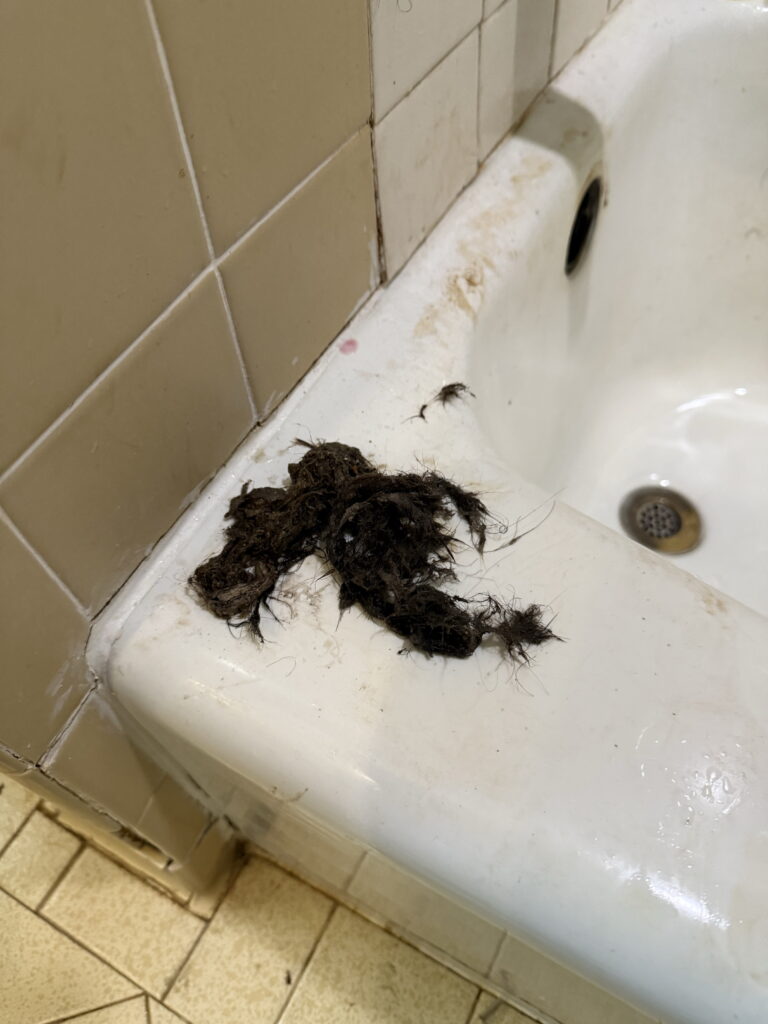
A blocked drain can throw off your whole day. Water backs up, sinks take longer to empty, and unpleasant smells begin to spread through your space. It is frustrating to deal with, especially when it happens at the worst time. The good news is that you do not always need strong chemicals to solve the problem.
There are simple and practical ways to clear a drain using tools and ingredients you likely already have at home. These methods are easy to follow and can help you restore proper flow without putting stress on your pipes.
Why Skip Chemical Drain Cleaners?
Many people reach for store-bought drain cleaners because they promise quick results. While they may seem effective at first, they often come with hidden downsides. These products contain strong ingredients that can wear down pipes over time, especially in older homes.
They can also release fumes that are not pleasant to breathe in. On top of that, chemical cleaners do not always remove the full blockage. They may only break down part of it, leaving residue behind that can build up again. Choosing a natural approach gives you more control and helps protect both your plumbing and your indoor environment.
Start With Boiling Water
Sometimes the simplest solution is the most effective. Boiling water can help break down grease, soap residue, and other light buildup inside your pipes. This is often the first step to try before moving on to other methods.
Bring a pot of water to a boil and carefully pour it down the drain in stages. Allow a few seconds between each pour so the heat can work through the clog. This gradual approach helps soften the blockage and move it along the pipe. It works especially well in kitchen sinks where grease tends to collect over time.
Use Baking Soda and Vinegar
A combination of baking soda and vinegar is a reliable and natural way to loosen debris inside your drain. It creates a bubbling reaction that helps break apart the buildup and move it through the pipe.
Start by pouring half a cup of baking soda into the drain. Follow it with a cup of vinegar and let the mixture fizz. Allow it to sit for about fifteen to twenty minutes so it can work through the clog. After that, rinse everything away with hot water. This method is simple, safe, and effective for many common blockages.
Try a Plunger
A plunger can be used for more than just toilets. It works well on sinks, tubs, and shower drains by creating pressure that helps dislodge clogs. It is a simple tool, but it can make a big difference when used correctly.
Make sure there is enough water to cover the base of the plunger. Place it firmly over the drain and push down, then pull up in a steady motion. Repeat this several times to build pressure. If your sink has an overflow opening, cover it with a cloth to improve suction. Once the clog starts to move, run water to confirm the drain is clear.
Clear the Drain With a Drain Snake
When the blockage is deeper in the pipe, a drain snake can help reach it. This flexible tool is designed to go further into the drain and pull out debris such as hair or food buildup.
Insert the snake slowly and turn it as you guide it down the pipe. When you feel resistance, you have likely found the clog. Twist gently to grab the material, then pull it out carefully. This method may not be pleasant, but it is very effective and often clears the problem completely. Finish by flushing the drain with hot water.
Remove and Clean the Trap
If the clog is still not cleared, the issue may be in the pipe under your sink. The curved section, known as the trap, often collects debris over time and can become blocked.
Place a bucket underneath to catch any water, then loosen the fittings and remove the trap. Check inside for buildup and clean it thoroughly before putting it back in place. This step takes a bit more effort, but it can solve more stubborn problems and improve overall drainage.
Simple Ways to Prevent Future Blockages
Once your drain is working again, a few simple habits can help keep it that way. Avoid pouring grease or oil down the sink since they harden and stick to the pipe walls. Use a strainer to catch food scraps and hair before they enter the drain.
Running hot water after each use can help wash away residue before it builds up. You can also use a baking soda and vinegar rinse from time to time to keep things clean. These small steps can reduce the chances of dealing with another clog.
When It Is Time to Call a Professional
There are situations where home methods are not enough. If multiple drains are slow, water keeps backing up, or clogs keep returning, there may be a deeper issue in the system.
In these cases, it is wise to seek professional help. For homeowners dealing with ongoing problems, plumbing repair in Papillion, NE can provide a reliable solution. A trained technician can inspect the system, find the root cause, and fix it properly to prevent further damage.
A Smarter Way to Handle Drain Problems
Repairing a blocked drain without chemicals is not only possible, it is often a better approach. These methods are simple, effective, and gentle on your plumbing. With the right steps and a little patience, many common clogs can be handled at home.
By taking care of your drains and acting early when problems appear, you can avoid bigger issues later. It is all about using practical solutions and knowing when to bring in extra help if needed. For reliable help and long term solutions, visit https://www.nebraskalocalplumbing.com/.