
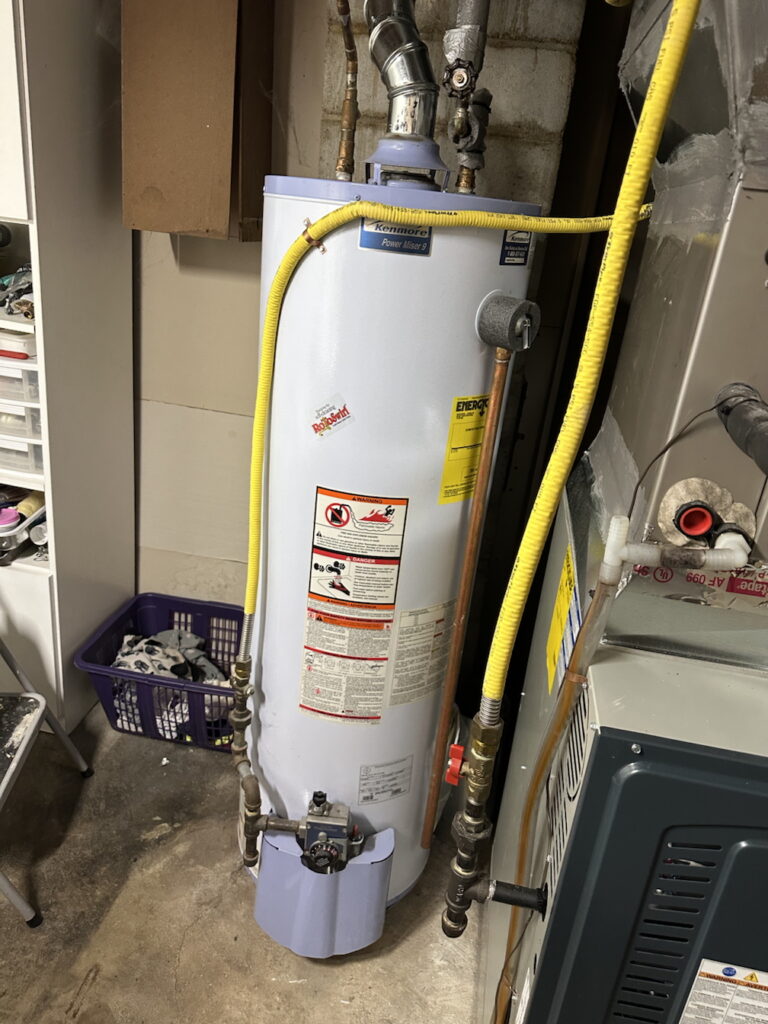
A water heater that stops producing hot water can disrupt showers, laundry, dishwashing, and other daily tasks. The cause may be as simple as a tripped breaker or an incorrect temperature setting. Still, it can also involve a failed heating element, thermostat, pilot assembly, gas control, or other component.
Start with a few safe checks to rule out basic power, fuel, and setting problems. If the issue points to a faulty part or you notice leaking, unusual noises, or repeated reset trips, scheduling water heater repair in Gretna can help identify the problem and get the system heating properly again.
What Should You Check First When There Is No Hot Water?
Check Power, Breakers, Settings, and the Reset on Electric Units
Start with the electrical panel. Find the breaker labeled for the water heater. If it has tripped, switch it fully off, then back on. A breaker can sit between positions and look normal at first glance. If it trips again, leave it off. Repeated trips can point to a wiring fault, a damaged heating element, or another electrical problem.
Next, check the temperature setting on the unit. Most homes do not need a very high setting. A setting near 120 degrees Fahrenheit is common for household use. Some electric units also have a reset button behind an access panel. Pressing that button may restore heat after the high limit switch trips.
Turn off power at the breaker before opening any panel. Do not touch wiring or terminals unless the power is fully off. If the unit still stays cold, the problem may involve a thermostat, heating element, or internal wiring.
Check Gas Supply, Pilot Status, Burner Action, and Control Lights
For a gas water heater, start by checking that the gas supply is on. Check the gas valve near the unit and confirm it is in the open position. Next, check the pilot light if your model uses one. A pilot that will not stay lit can point to a dirty pilot assembly, a faulty thermocouple, or a problem with the gas control valve.
If the pilot is burning, watch for burner activity after hot water use. The main burner should ignite when the tank needs heat. Some newer models use an igniter and a control light instead of a standing pilot. Check the light pattern or display for a code. The code may point to ignition trouble, sensor faults, or gas control issues. Use the instructions for your specific model. If you smell gas, leave the area and contact the gas utility or emergency service from a safe place.
Why Can a Water Heater Stay Cold After Basic Checks?
Failed Thermostats, Heating Elements, and High Limit Switches
An electric water heater can have power and still produce cold water. A failed heating element is one possible cause. Most tank models use an upper and lower element. The upper element usually heats first. The lower element then helps maintain the tank temperature. If one fails, the water may stay cold or run out of heat much faster than normal.
A faulty thermostat can also stop an element from receiving power. Some electric models have separate upper and lower thermostats. A problem with either one can affect water temperature. The high limit switch adds another layer of protection. It cuts power when the water temperature rises too far.
If this switch trips once, resetting it may restore operation. If it keeps tripping, another fault may be causing the problem. Testing elements, thermostats, and wiring often requires a meter and access to electrical parts, so this work is better left to a trained plumber or electrician.
Thermocouples, Thermopiles, Gas Valves, Igniters, and Tankless Controls
Gas water heaters depend on several parts to start and maintain a flame. A thermocouple or thermopile senses heat from the pilot flame on many models. If that part fails, the gas valve may stop supplying fuel to the burner. The pilot may go out, or the burner may fail to start even after the tank cools.
Electronic ignition systems can fail in a different way. A bad igniter may prevent the burner from lighting. A faulty gas valve can also block gas flow even when other parts appear to work. Tankless systems add more controls to the process. A flow sensor tells the heater that water is moving through the unit.
Temperature sensors and control boards then manage burner output or electric heating. If one of these parts sends the wrong signal, hot water may stop completely. Error codes can help narrow down the cause, but the meaning varies by model and manufacturer.
What Do Different Water Heater Symptoms Point To?
No Hot Water Versus Lukewarm Water or Hot Water That Runs Out Fast
No hot water usually points to a complete loss of heat, while lukewarm water often suggests that the heater is working only part of the time or cannot reach the set temperature. On an electric unit, a failed upper heating element can leave the tank cold. A failed lower element may give you some hot water, but it can run out sooner than expected. Thermostat problems can cause similar symptoms.
If the water starts hot and turns cold quickly, the tank may be too small for current demand, or one heating part may not be working. Sediment can also reduce usable hot water by taking up space in the tank. On gas models, burner problems, weak gas flow, or control faults can reduce heating. The exact pattern matters because it helps narrow the likely cause before parts are replaced.
Leaks, Rumbling, Rusty Water, Odors, and Repeated Reset Trips
Other symptoms can reveal problems that a simple temperature check may miss. Water around the heater may come from a loose fitting, drain valve, temperature and pressure relief valve, or the tank itself. A leaking tank body often points to internal corrosion and may require replacement.
Rumbling or popping sounds often happen when sediment collects on the bottom of a tank. Rusty or discolored hot water may come from corrosion inside the heater, but old plumbing can also cause it. A rotten egg smell can be linked to bacteria in the tank and reactions involving the anode rod. Repeated reset trips on an electric heater can point to a thermostat, heating element, wiring, or overheating problem. Do not keep pressing the reset button if it trips again. Repeated tripping means the cause needs to be found.
Which Water Heater Checks Are Safe for Homeowners?
Simple Checks You Can Do Before Calling a Plumber
Start with checks that do not require touching wires, gas parts, or internal controls. For an electric water heater, look at the breaker panel and see if the water heater breaker has tripped. You can also check the temperature setting if the control is easy to access without removing electrical covers. For a gas unit, confirm that the gas supply valve appears open. Check the pilot light or control display if your model has one.
Look around the tank for visible water, rust, or moisture near fittings and valves. Listen for unusual popping or rumbling sounds. Check faucets in several rooms to see if the problem affects the whole home. You can also note any error code shown on the heater. Write it down and check the manufacturer’s instructions. These simple checks can give a plumber useful information without putting you near live electrical parts or gas controls.
Signs Your Water Heater Needs Professional Repair
Some problems need trained service rather than more home troubleshooting. Repeated breaker trips are one warning sign. A reset button that keeps tripping can also point to an electrical fault or overheating problem. Water leaking from the tank body may mean the tank has corroded. A pilot that will not stay lit can point to an ignition or gas control problem.
Stop using the heater if you smell gas near the unit. Leave the area and contact the gas utility or emergency service from a safe location. Scorched wires, melted parts, sparks, or burning smells also need prompt attention. Do not remove electrical covers while power is on. Avoid taking apart burners, gas valves, or internal wiring. A plumber can test the system, identify the failed part, and determine if repair is practical or if the heater needs replacement.
Should You Repair or Replace a Water Heater With No Hot Water?
When a Water Heater Repair May Still Make Sense
Repair may be a good choice when the tank is in solid condition, and the problem is limited to a replaceable part. Common examples include a failed thermostat, heating element, igniter, thermocouple, or control component. A loose connection or faulty valve may also be repairable. The condition of the tank matters just as much as the failed part. A unit with no major rust, tank leaks, or repeated breakdowns may still have useful service life left.
The repair history can also help with the decision. One isolated problem does not always mean the whole unit is failing. A plumber can test the heater and identify the actual cause before parts are replaced. This can help you avoid paying for unnecessary work. Repair often makes more sense when the fault is clear, the tank remains sound, and the expected repair cost is reasonable compared with replacement.
Compare the Unit’s Age, Repair Cost, and Expected Lifespan
Age plays a large role in the repair or replacement decision. Many traditional tank water heaters last about 8 to 12 years, though actual service life can vary based on water quality, maintenance, installation, and use. A newer unit with one failed part may be worth repairing. An older heater with corrosion, repeated faults, or a leaking tank may be a poor candidate for more repair work.
Compare the cost of the needed repair with the condition of the full system. A lower repair bill may make sense if the tank is still healthy. A higher bill can be harder to justify if more parts may fail soon. Look at warranty status, past repairs, visible corrosion, and signs of leaking. Replacement may offer better value when the heater is near the end of its expected lifespan and has started developing several problems.
Frequently Asked Questions
Why Did My Water Heater Stop Heating After a Power Outage?
A power outage can trip the breaker, reset a control, or interrupt an electronic ignition system. Check the breaker and the heater display first. If power is restored but the unit stays cold, a thermostat, heating element, or control part may need testing.
Can a Bad Heating Element Cause No Hot Water?
Yes. A failed upper heating element can leave an electric water heater with no hot water. A failed lower element may cause the water to run out faster than normal. Testing can confirm which part has failed.
Why Is the Pilot Light On but the Water Still Cold?
The main burner may not be firing even though the pilot is lit. Possible causes include a faulty thermopile, gas control valve, thermostat, or burner part. The unit may need testing to find the cause.
How Much Does Water Heater Repair in Gretna Cost?
The price depends on the fault, heater type, parts needed, labor, and access to the unit. A simple part replacement may cost less than a major control or tank issue. An inspection can give you a more accurate repair price.
Get Hot Water Back With Local Plumbing and Drain Company
A water heater that stops heating does not always need replacement. The right repair depends on the unit’s age, condition, fuel type, and the part causing the problem. A failed thermostat, heating element, ignition part, or control may be repairable, while tank corrosion or a leaking tank body can point to replacement. Getting the problem diagnosed before buying parts can also help prevent wasted time and unnecessary repair costs.
Local Plumbing and Drain Company can inspect the water heater, identify the source of the problem, and explain the available repair or replacement options based on the condition of the system. Need help getting your hot water back? Visit https://www.nebraskalocalplumbing.com/ or stop by 705 N Frontier Rd., Papillion, NE 68046. You can also call us at 402-378-9550 for water heater repair.